The cost of living keeps climbing, neighbors are leaving, and the loudest voices at the edges set the agenda — while the rest of us are busy working, raising kids, and keeping businesses open. Evergreen Growing is a civic platform for the quiet middle: listening first, following the evidence, and showing up where decisions get made. This is the Evergreen State. Let's grow it together.
Each step grew out of what the community brought to the last one. That's the point — and it's how the next step will be decided too.
On February 26, 2026, The Evergreen State College announced it would close its 11-lane public pool — the largest south of Federal Way and the only public pool on Olympia's westside — a grassroots campaign formed within weeks. Nearly 4,000 signatures, 630+ pages of public records reviewed, and hard questions the college has still not fully answered. This campaign is active and continuing.
The first op-ed, published in the Thurston Chronicle, made the case that the pool closure was not an isolated decision but a symptom — the theater department, the indoor soccer arena, the bookstore, all gone the same way. Read it →
The pool campaign grew into an advocacy organization for the whole college. Evergreen Growing ran its first community listening sessions, gathered testimony from faculty, students, alumni, parents, and neighbors, and published a second op-ed — "Stop Trying to Curl the Straight" — proposing a concrete path forward built on what makes Evergreen structurally unlike anywhere else.
Findings from Evergreen Growing's public-records work were reported to the Washington State Auditor's Office, which flagged the matters for review in the college's next audit — and the findings will be published for the community to read as soon as a complete set of records is obtained. Asking hard questions works. Documents don't argue back.
Housing a 25-year-old can't afford. Energy bills driven up by policies written without the people paying them. Small businesses drowning in costs. A homelessness response that manages the crisis at great expense instead of improving it. Institutions that answer to themselves. The listening that worked for one institution is now open to all of it — and what the community raises most will shape what comes next.
Our system of government is built on balance — the idea that good policy comes from the friction of genuine disagreement, tested in the open, answerable to someone. When that friction disappears, policy comes out lopsided: built to satisfy an agenda instead of the people who have to carry it. Balanced policy is seldom either/or; it's an and. Environmental progress and affordability people can live with. Accountability and compassion. The problem isn't that this middle doesn't exist — it's that the middle is quiet, and representatives answer to whoever shows up.
"When balanced, it hums — stable, efficient, resilient, serving the hand that set it moving. When it tilts too far toward self-interest, it wobbles, veers, and falls."Each pillar follows the same process: listening sessions, iceberg systems-mapping, community canvases, and public records where needed. Education is four months in. The others are opening now, shaped by what the community brings.
What does it mean when a nationally recognized experimental college — built for exactly this moment — empties out while its administration looks the other way? Four months of listening and records have produced a documented answer.
The average first-time homebuyer in Washington is 40 years old. Young people can't stay. Small businesses can't survive. Every new fee, program, and position is paid for by the same households that are tapped out.
When judges retire early and governors fill the bench. When boards hold one worldview, never challenged. Power, once concentrated, finds ways to stay concentrated.
People are dying on our streets. Families deserve a public safety conversation rooted in evidence, not ideology. Tell us what you're seeing in your neighborhood.
The pillars above came from what the community raised first. The next one will come from what you're seeing that isn't on this list yet. Tell us what's out of balance where you live.
Themes from listening sessions, canvases, and submissions — summarized and updated by the Evergreen Growing team so contributors can see what the community is saying.
Across 37 voice submissions and two listening sessions, the most repeated theme: the pool is one instance of a pattern — programs cut, facilities dark, decisions made without consultation.
From listening sessions · June 2026Coaches, theater directors, and neighbors keep describing the same thing: a campus that once anchored community life — swim clubs, performances, concerts — and could again.
From listening sessions · June 2026Parents describing children in their twenties with no visible path to homeownership in Washington — the theme that opened the Affordability pillar.
Early submissions · Summer 2026The heaviest thing any of us carries isn't one issue — it's the feeling that nothing we do changes anything. This page exists to prove that feeling wrong. Every note appears. Every session is reported back. And everything listed here traces to something a neighbor said. Being heard should be checkable, not taken on faith.
Listening sessions are open to everyone — supporters, skeptics, and everyone in between. Attendees add feedback directly to the live canvases during the session, and every session ends with a public summary of what was heard.
Sessions are typically held at the Olympia Timberland Library. Sign up and you'll be the first to know when the next one is scheduled.
Can't make it in person? The live canvases and feedback forms are open around the clock — and every session's input lands in the same place.
Leave your name and email and we'll let you know about upcoming listening sessions. Nothing else — no fundraising lists, no sharing your details.
An emptying campus is not a sign that Evergreen's model has failed. It may be a sign that its leadership has lost sight of what makes it irreplaceable.
Read at the Thurston Chronicle →Evergreen is not a conventional college that fell behind. It is a structurally different institution that spent fifty years building exactly the education the AI economy now demands.
Read at the Thurston Chronicle →"No amount of squeezing gets you something that isn't there." On the households and small businesses that are tapped out while every problem is answered with another fee — and why the quiet middle needs to become a constituency no one can afford to ignore. Republican, Democrat, Independent, or done with voting entirely: welcome.
Read at the Thurston Chronicle →
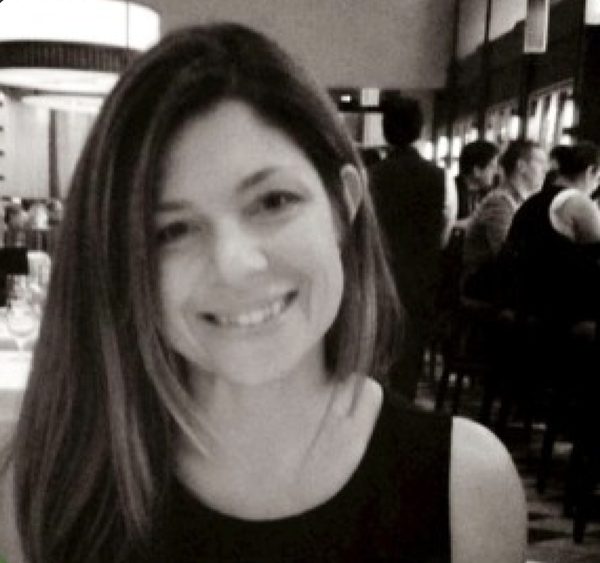
Amalie O'Connor has lived in Olympia for more than twenty years. She is a former educator, federal budget analyst, and state employee — and the parent of an Evergreen student. She co-chaired the Olympia Together campaign in 2025. She founded Evergreen Growing after coming to believe that the gap between what our institutions promise and what they deliver is not an accident. It's what happens when no one asks hard questions and no one is required to answer them.
She started with The Evergreen State College because that's where the evidence was sharpest: four months of public records, listening sessions, and forensic analysis, published twice in the Thurston Chronicle. But the college was always one example of a bigger pattern — institutions across Washington that have stopped answering to the communities they serve.
Her invitation is deliberately wide: "If you are a Republican, I welcome you. If you are a Democrat, I welcome you. If you have given up on voting, I welcome you." The concerns driving this work — the erosion of accountability, power serving itself instead of the public — are not partisan. They are American, and they show up close to home.
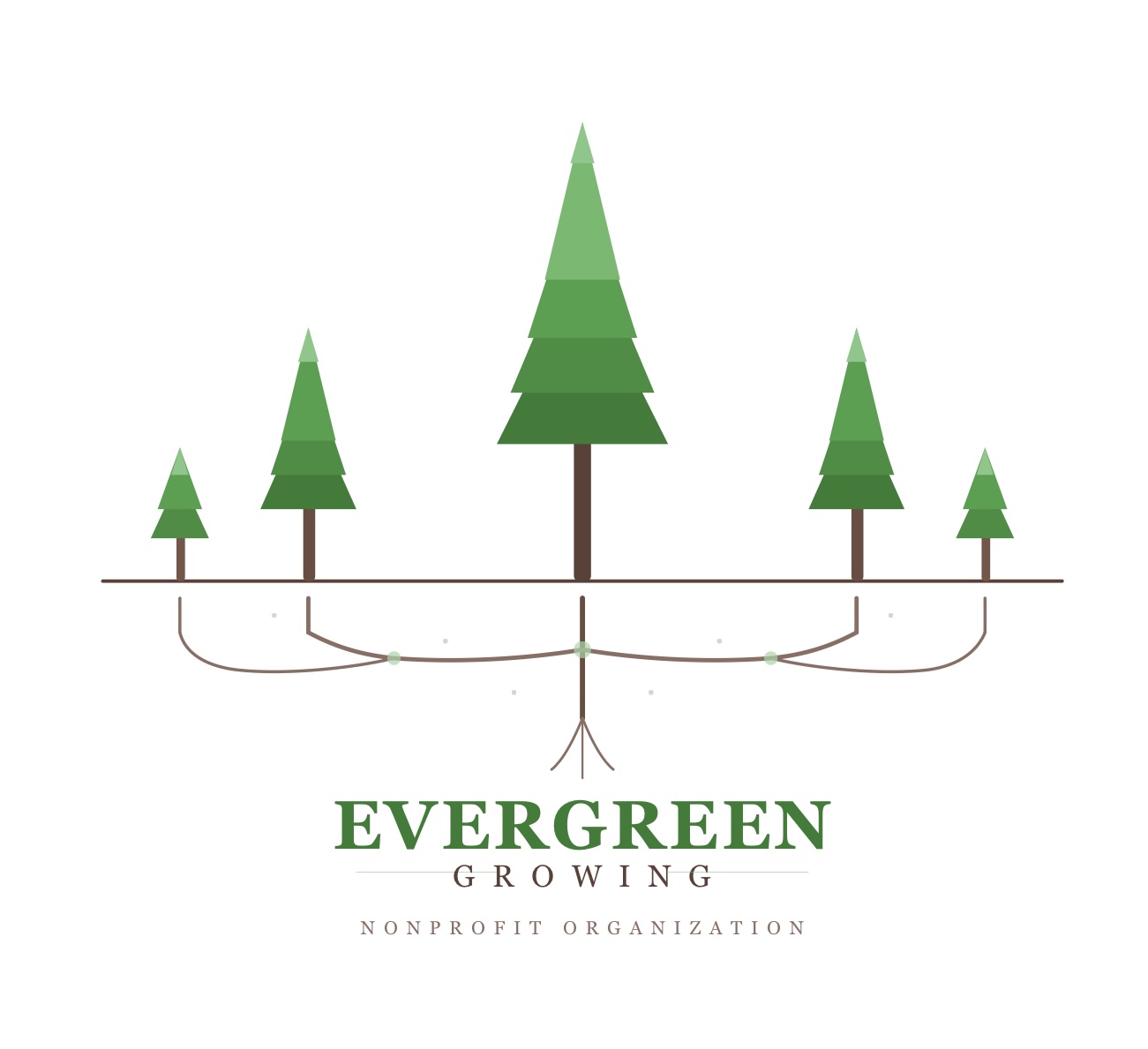
Amalie designed the Evergreen Growing logo with a book in mind: Finding the Mother Tree by scientist Suzanne Simard, who discovered that trees in a forest are not competing — they are communicating, sharing nutrients through a vast underground network, nurturing the young and vulnerable. Otto Scharmer at MIT grounds his work in the same idea: sustainable change begins by nurturing the social soil. Scharmer names the deepest problem of this moment plainly — not any one crisis, but the shared sense that we're powerless to change any of it. Evergreen Growing is built as the answer to that: a place where acting visibly changes something, where neighbors sense what's possible together, and where agency grows back the way a forest does — through connection. Washington is the Evergreen State. The roots are deep. The community is connected. And the forest is still worth growing.